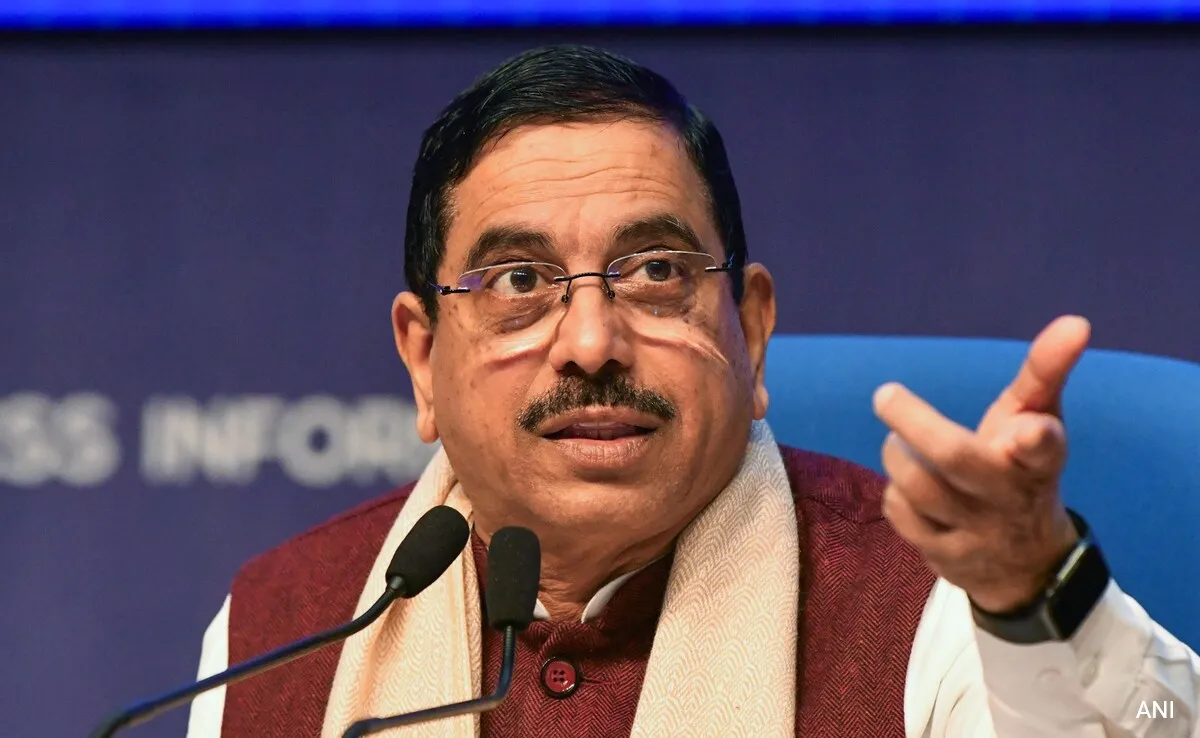

The government is working on a strategy to repower around 25 GW of ageing wind energy projects as India looks to increase generation from existing wind sites and move towards its 100 GW wind capacity target by 2030, Union Minister for New and Renewable Energy Pralhad Joshi said on Thursday.
As per media reports, Joshi, speaking at the 8th Windergy India 2026 conference, said several older wind projects are approaching the end of their operational life, with ageing equipment creating a case for replacing existing installations with newer and more efficient turbines.
The government is looking at around 25 GW of such wind capacity for repowering, although further details on the proposed programme, including project locations, have not yet been disclosed. Repowering involves replacing older wind turbines with newer, higher-capacity machines, allowing more electricity to be generated from sites where wind infrastructure already exists.
Tamil Nadu, Gujarat and Andhra Pradesh are among the leading states in terms of installed wind capacity, making mature wind installations in these regions significant to India's broader capacity expansion plans. India currently has around 59 GW of operational wind capacity and is targeting 100 GW by 2030. Achieving the target will require both new project additions and greater utilisation of existing wind sites.
Wind Capacity Addition Picks Up
India added 6.05 GW of wind capacity during FY26, while additions during the current financial year are expected to surpass that level. Between April and September 2026, around 3 GW of wind capacity was added, indicating continued expansion in the sector. The proposed repowering of older projects could provide an additional route for increasing India's wind generation capacity without relying entirely on greenfield development. Older wind farms were typically developed using turbines with considerably lower capacities than machines available today, creating scope to increase generation from existing wind sites through technology upgrades.
The initiative comes as India accelerates renewable energy deployment across solar, wind and other clean-energy technologies to meet rising electricity demand while expanding its non-fossil generation capacity. With around 41 GW still required to reach the 100 GW wind target from the current operational base of about 59 GW, new capacity additions and the proposed repowering of ageing projects are expected to play an important role in the sector's expansion through 2030.