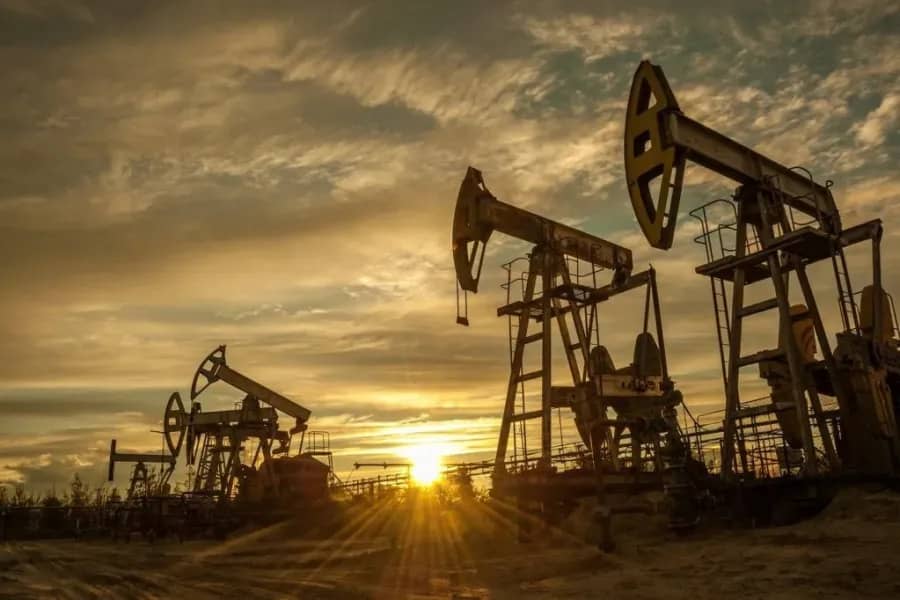

Global oil prices climbed on Wednesday, with Brent crude briefly touching $100 per barrel for the first time since July as escalating conflict in the Middle East increased concerns over oil supplies.
Brent crude rose as much as 2.3 per cent in early trade to reach $100 per barrel before easing slightly, while US crude gained 1.3 per cent to around $94 per barrel. Both benchmarks have risen more than 60 per cent since the beginning of the year.
The latest increase followed fresh military action involving the US and Iran as well as attacks by Iran-backed Houthis on Saudi Arabia, adding to uncertainty over energy supplies from the region.
US Strikes Iranian Oil Tankers
The US struck four Iranian oil tankers in the Gulf of Oman and another near Kharg Island after attempted ballistic missile attacks on a US Navy warship. Kharg Island is a major hub for Iranian oil exports.
Oil prices had already moved higher after the Houthis attacked Saudi Arabia, targeting oil and other infrastructure. Saudi-led forces said dozens of civilians were injured and indicated they would respond.
The developments have increased concerns that the conflict could spread further across the region and affect additional oil production and transportation infrastructure.
Hormuz Disruptions Keep Oil Market On Edge
The Strait of Hormuz remains a major source of uncertainty for global energy markets. Oil tanker movements through the waterway have faced disruptions as fighting between the US and Iran continues.
The US has been attempting to assist oil tankers moving through the strait, while Iran maintains that it retains control over the waterway.
Conflict has also extended towards the Red Sea and the Bab al-Mandab Strait. Houthi activity around the waterway, which connects the Red Sea with the Gulf of Aden, has added another potential disruption point for energy shipments.
The closure of the Strait of Hormuz has also affected global liquefied natural gas supplies.
Energy Prices Rise As Supply Disruptions Persist
Higher crude prices have pushed up prices for refined products including gasoline and diesel. The US national average diesel price reached a record $5.90 per gallon on Tuesday.
Brent first settled above $100 per barrel this year on March 12, reaching its highest level since 2022. Prices subsequently rose further in April and May before dropping to as low as $72 per barrel in June after the US and Iran announced an agreement to reopen the Strait of Hormuz.
Prices resumed their climb as the conflict continued, crossing $100 again in July before retreating and returning to the level this week.
China's oil demand also remains a factor for the market. The world's largest crude importer has reduced imports in recent months, limiting some of the upward pressure on prices.
Higher energy costs have also increased concerns about inflation and interest rates. The S&P 500 declined 0.6 per cent on Tuesday, while global bond yields have risen in recent weeks amid expectations that central banks could keep interest rates elevated or raise them in response to energy-driven inflation.