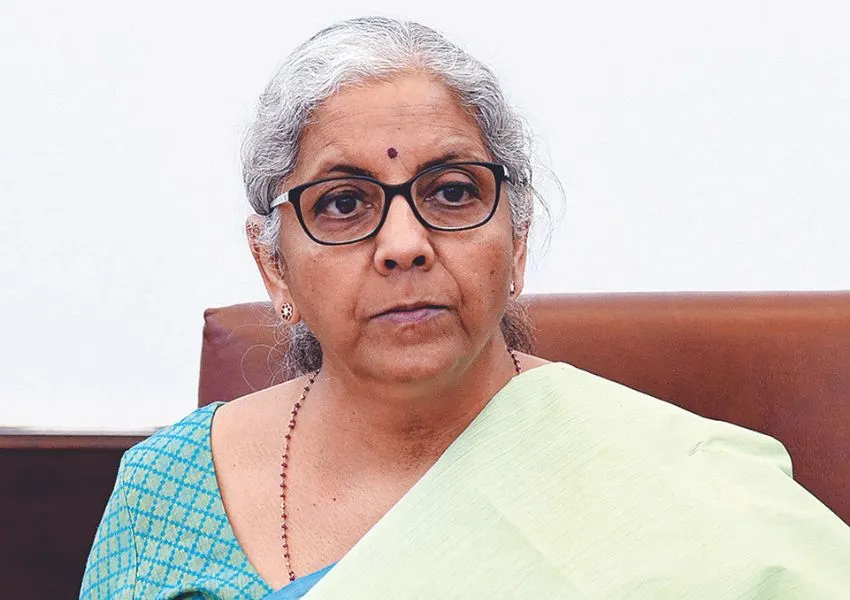

India could deploy small modular nuclear reactors (SMRs) to provide reliable low-carbon electricity to its expanding steel industry as the country looks to reconcile rising production with its decarbonisation goals, Finance Minister Nirmala Sitharaman said.
Speaking at the World Steel Association’s General Assembly in New Delhi, Sitharaman said SMRs being developed under India’s Nuclear Energy Mission could eventually provide round-the-clock low-carbon electricity for steel production, complementing renewable energy.
Sitharaman also identified greater use of scrap-based steelmaking powered by renewable energy as a practical route to reducing emissions from the sector.
Steel Production, Consumption Continue To Rise
India’s crude steel production increased 10 per cent in 2025 to 165 million tonnes and rose another 6 per cent during January-August 2026, even as global steel production declined.
The country now accounts for around 9 per cent of global steel production, compared with 5.2 per cent in 2014, reflecting its emergence as one of the fastest-growing major steel markets.
Domestic consumption has expanded alongside production. Finished steel consumption more than doubled over the past decade to reach 164 million tonnes in FY26 and has exceeded production for two consecutive years.
Investment in railways, national highways, ports and high-speed rail networks is supporting sustained steel demand across construction, transport, energy and industrial infrastructure.
Sitharaman also invited the World Steel Association to consider establishing an office in India to strengthen its presence in the country.
Nuclear, Renewables Could Support Cleaner Steelmaking
India’s expanding steel capacity is simultaneously increasing pressure on the industry to address its energy requirements, raw-material availability and environmental footprint.
Future production growth will require improvements in raw-material security, specialised manufacturing, technological capabilities and environmental performance alongside capacity additions.
SMRs could become one component of this transition as the technology develops and is deployed under India’s Nuclear Energy Mission. Unlike intermittent renewable generation, nuclear power can provide continuous electricity, potentially giving energy-intensive industrial operations another source of low-carbon power.
The approach could complement India’s wider push towards renewable energy and increased scrap utilisation in steelmaking. A combination of nuclear electricity, renewable power and greater scrap-based production could provide multiple pathways for reducing emissions while allowing steel production to continue expanding.
The challenge is becoming more significant as India's share of global steel output rises and domestic consumption continues to grow. Future capacity additions will increasingly need to be accompanied by cleaner power supplies, higher energy efficiency, stronger raw-material security and improvements in production technology.