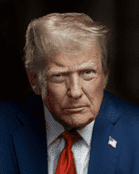

US President Donald Trump has signed an emergency executive order aimed at restricting certain foreign-made electrical equipment and associated software from the country’s bulk-power system, citing cybersecurity and operational risks.
The order covers the purchase, import and installation of specified foreign-made equipment, including transformers and other critical grid components, where authorities determine that their use could pose a threat to the security or reliability of the US electricity system.
It could also lead to new conditions governing foreign-made equipment that has already been installed in the power network.
The order warns that certain foreign actors are increasingly seeking to exploit vulnerabilities in the US bulk-power system. The Department of Energy is expected to develop rules detailing how the restrictions will be implemented and which equipment will be covered.
China’s Dominance In Supply Chain In Focus
The move comes amid US concerns over its dependence on overseas manufacturers for critical energy infrastructure.
China accounts for around 80 per cent of global manufacturing capacity for batteries and solar inverters, according to International Energy Agency data cited in the report. Chinese-made large power transformers have also entered the US market over the past decade.
The restrictions could therefore have significant implications for utilities, renewable-energy developers and other companies reliant on imported electrical equipment.
However, the order does not amount to a blanket prohibition on all foreign-made grid equipment. It targets equipment and software deemed to pose cybersecurity or operational risks, with the precise scope expected to become clearer as the Department of Energy develops implementing rules.
Domestic Manufacturers Could Benefit
The restrictions could provide an advantage to manufacturers and suppliers with domestic or approved supply chains as utilities look for alternatives to potentially restricted equipment.
The report identified companies including SolarEdge Technologies, Enphase Energy and Tesla among those that could potentially benefit from greater demand for domestically supplied energy equipment.
The policy also comes as the US power system faces growing investment requirements from renewable-energy deployment, electrification and rapidly expanding electricity demand from data centres.
At the same time, restrictions on overseas suppliers could create procurement challenges if domestic manufacturing capacity cannot keep pace with demand, particularly for specialised grid equipment such as large power transformers.
The eventual impact on equipment availability, costs and project timelines will depend on the list of prohibited products and suppliers as well as the rules issued by the Department of Energy.
(Reuters inputs)