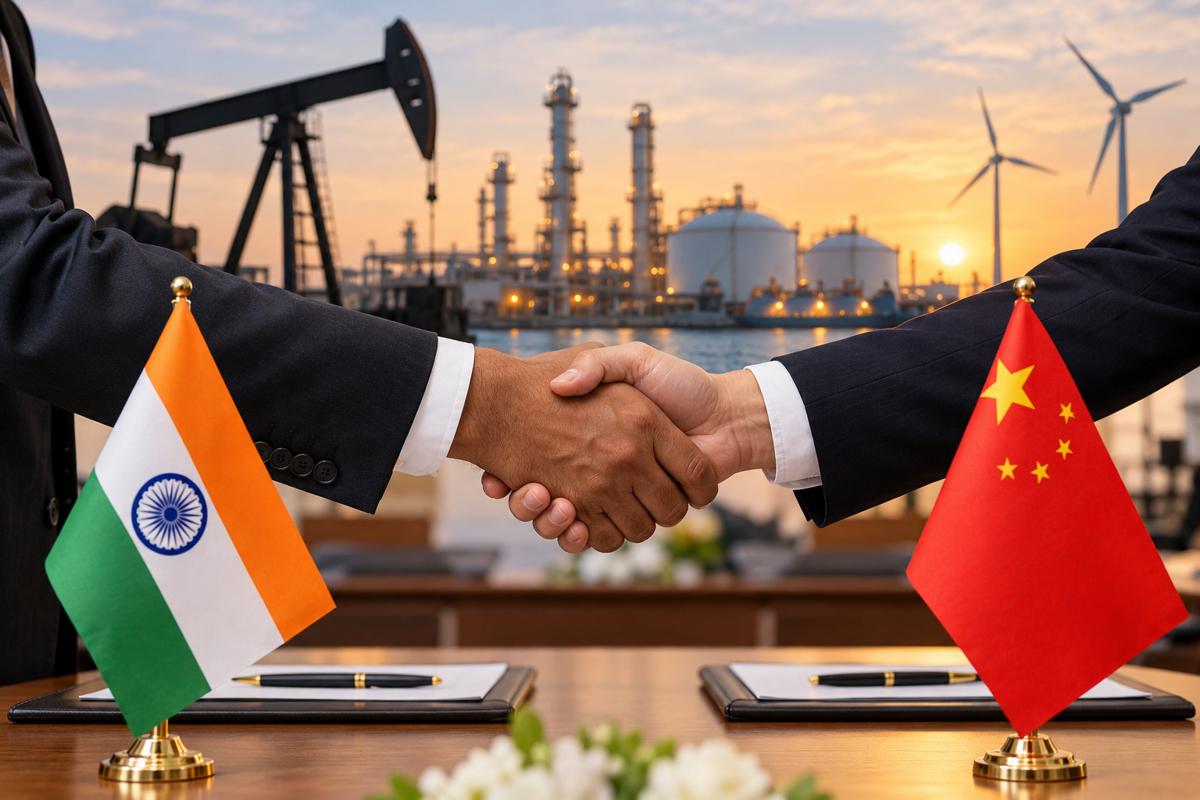

India and China discussed expanding cooperation across oil and gas, new energy and low-carbon development during a meeting between Petroleum and Natural Gas Minister Hardeep Singh Puri and China National Petroleum Corporation (CNPC) Chairman Dai Houliang in New Delhi, as per media reports.
The meeting followed talks between Prime Minister Narendra Modi and Chinese President Xi Jinping on Saturday and comes amid heightened concerns over global energy security following the escalation of conflict in West Asia.
India and China are the world's two largest crude oil importers, making developments in global oil supplies and prices particularly significant for both economies.
Oil, Gas And New Energy In Focus
The discussions covered opportunities for greater cooperation in oil and gas, new energy, and green and low-carbon development. The two sides also discussed greater communication and coordination on energy issues.
Officials and executives from India's Ministry of Petroleum and Natural Gas, Oil and Natural Gas Corporation and Indian Oil Corporation attended the meeting.
The talks come as attacks on Saudi Arabian oil infrastructure and disruptions around key shipping routes have increased concerns over global energy supplies. The latest developments have also brought greater attention to energy security and diversification among major oil-importing economies.
Energy Security Gains Ground In BRICS
The India-China meeting also follows the 18th BRICS Summit held in New Delhi over the weekend, where energy security featured in the bloc's discussions.
The BRICS joint declaration recognised energy security as an important foundation for economic and social development, national security and the well-being of member countries. The declaration also called for maintaining the smooth flow of global trade, supply chains and energy in accordance with international law.
The discussions between India and China come as energy cooperation, supply-chain resilience and the stability of global energy markets assume greater importance amid disruptions in West Asia and volatility in international oil markets.